Hot Shot Trucking Drivers Wanted: Run Loads With Us
A construction crew in West Texas is standing around because one hydraulic pump quit. The replacement is sitting in Houston. It weighs 2,000 pounds, and every hour the site waits, it burns money. Nobody’s booking a full 53-foot truckload for one pump. They need a hot shot truck, and they need a driver who’ll pick up the phone.
That’s where you come in.
We get calls like this every week, and we’re looking for reliable drivers to cover them. If you own a pickup and trailer, or you’re thinking about getting into hot shot trucking, keep reading. This page explains the work, what we need from you, and what we bring to the table.
What Is Hotshot Trucking?
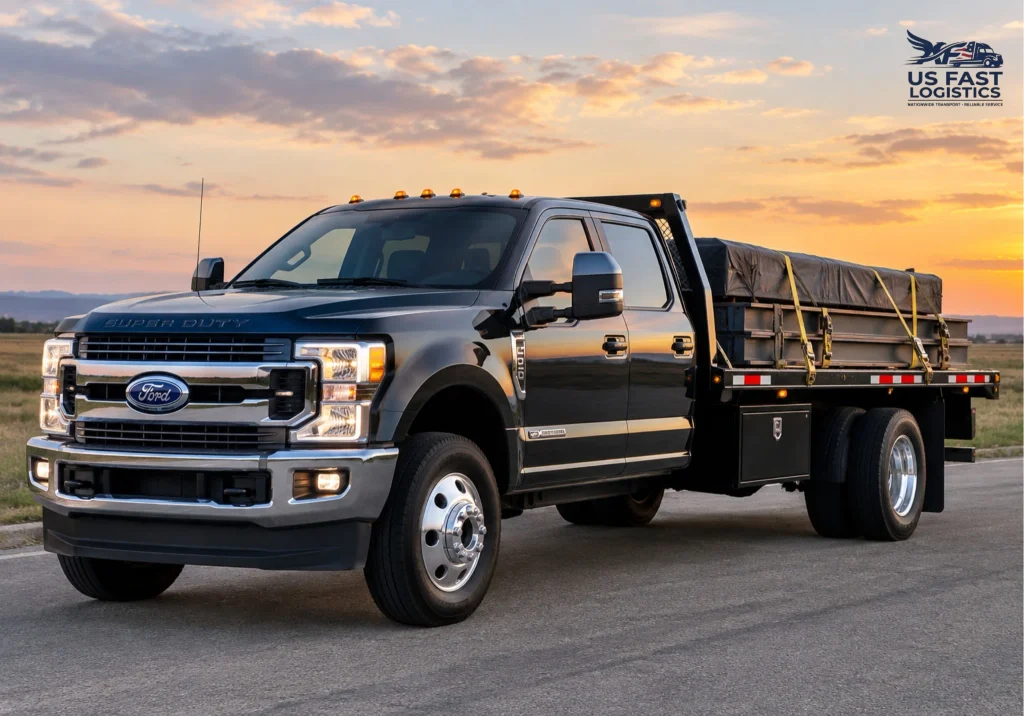
If you’re new and wondering what hotshot trucking is, here’s the short version. It’s hauling smaller, time-sensitive freight with a medium-duty pickup and a trailer instead of a semi. The loads are usually less than truckload (LTL) in size, and they’re often expedited: one customer, one load, straight from pickup to delivery.
The name goes back to the oil fields of Texas and Oklahoma, where somebody would grab a pickup and run a part out to a rig “hot.” You’ll hear drivers call it hot shot trucking, hotshotting, or even hotshotting trucking. Different slang, same job, and it’s the job we’re hiring for.
What makes it different from regular freight is speed. A hot shot delivery doesn’t wait at a terminal to be combined with other shipments. You pick it up, and you go.
What Is a Hotshot Truck, and What Equipment Do You Need?
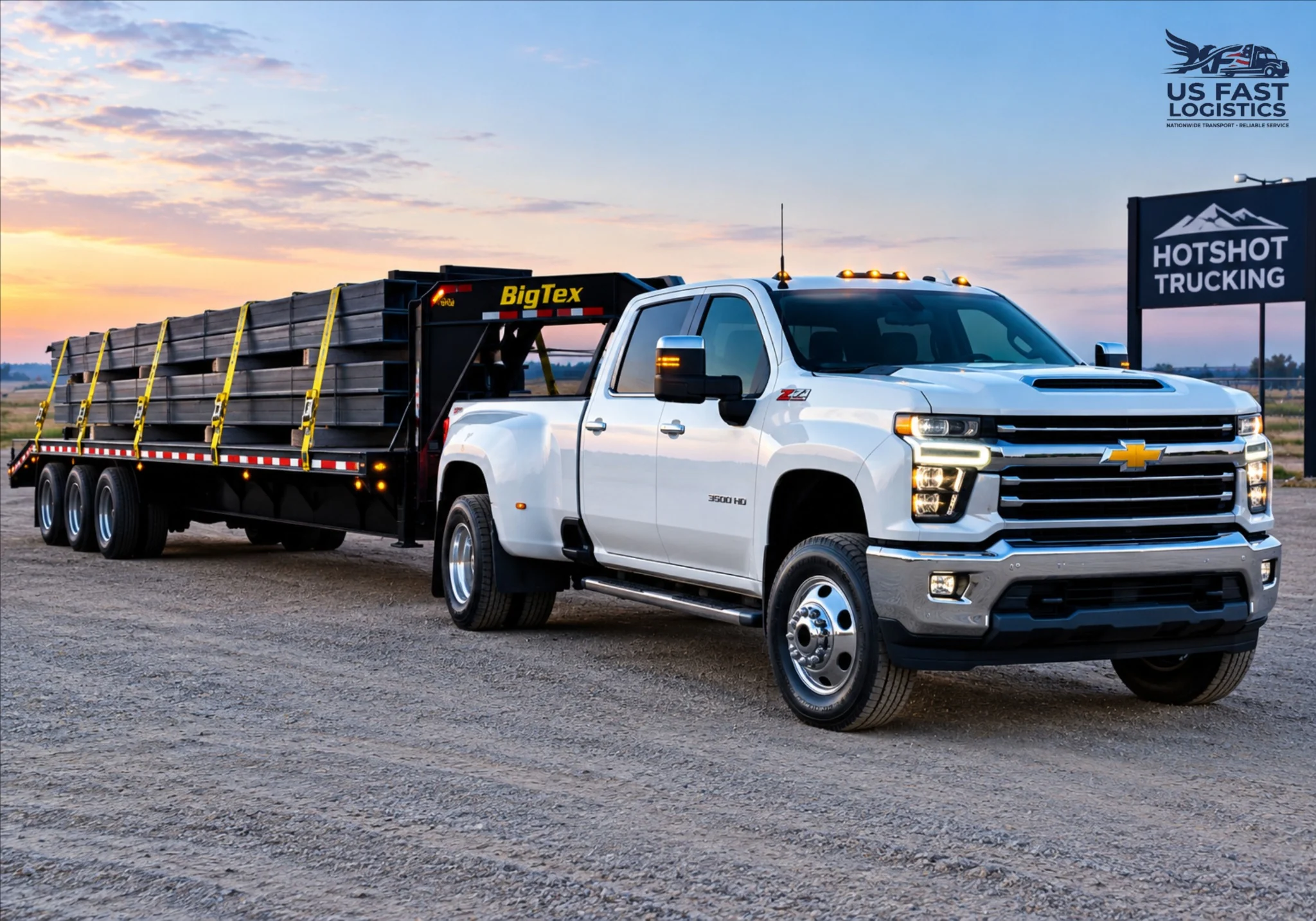
If you’re asking what is a hotshot truck, it’s a heavy-duty pickup, usually a Class 3, 4 or 5 like a Ford F-350/F-450, Ram 3500 or Chevy Silverado 3500. Most of the drivers we work with run a diesel dually. The trailer is what turns it into a working rig.
We work with drivers running:
Gooseneck flatbed: Our most requested setup. A flatbed hotshot trailer in the 30 to 40-foot range hitches over the rear axle and stays steady under heavy loads.
Bumper-pull flatbed: Fine for lighter freight, though it carries less weight and isn’t as stable at highway speed.
Dovetail or tilt deck: Great for roll-on equipment like skid steers and small tractors.
Lowboy: For taller machinery that needs a low deck to clear bridges.
If you’re buying equipment, a 40-foot gooseneck is the safest bet. A flatbed hotshot rig can take almost anything that straps down, from pipe, steel and lumber to machinery and vehicles, which means more loads open to you.
The Freight You’ll Be Hauling
Hot shot delivery is about urgency, so our customers are businesses where downtime costs more than shipping. As a driver with us, you can expect loads for:
Construction companies that need materials or rental equipment on site by morning
Farms and ranches moving implements, feed equipment or parts during planting and harvest
Manufacturers who can’t let a production line stop over one missing part
Equipment dealers delivering tractors, mowers and compact machines to buyers
Auto dealers and auction houses moving a few vehicles at a time
Oil and gas operators, still one of the biggest sources of hot shot freight
These shippers choose hot shot delivery because the load is too big for a courier, too small for a semi, and too important to sit on a dock. They pay for drivers who show up.
Non CDL Hot Shot Loads: Can You Drive With Us Without a CDL?
Yes, in many cases. We have freight for both CDL and non-CDL drivers.
Under federal rules, you need a Class A CDL when your truck and trailer together have a gross combination weight rating (GCWR) of 26,001 pounds or more and the trailer alone is rated over 10,000 pounds. Stay under that line and you can haul non CDL hot shot loads on a regular driver’s license.
Just know the trade-off. A non-CDL rig often has room for only a few thousand pounds of cargo once you count the truck and trailer, so there are fewer loads available and pay per load is usually lower. Many drivers start with non CDL hot shot loads and upgrade to a Class A once they see what they’re passing up.
Either way, you’ll need:
A USDOT number if you cross state lines and your rig is rated over 10,000 pounds
MC operating authority if you haul for hire across state lines under your own name
A DOT medical card
Commercial auto insurance, with federal minimums starting at $750,000 in liability for most general freight
Compliance with hours-of-service rules and, in most cases, an electronic logging device (ELD)
Rules change and states add their own, so check with the FMCSA and your state DMV. If you’re unsure about any of this, ask us. We’ll point you in the right direction.
What Hotshot Truck Driving With Us Is Really Like?
We’ll be straight with you. Hotshot truck driving isn’t easy money with a pickup. It pays well for people who work at it, but it asks a lot.
As a hot shot driver, you load and secure your own freight with chains, straps, binders and tarps, sometimes in the heat or rain. Some loads come in last minute. You cover your own fuel, tires, maintenance and insurance.
What you get in return is control. You pick your lanes, you can be home more than most OTR drivers, and your startup cost is a fraction of what a semi and a 53-foot trailer would run. That independence is why so many hotshot haulers would never go back to a company seat.
The drivers who do best with us have a few habits in common. They know their cost per mile, they keep their truck in good shape, and they take cargo securement seriously. A shifted load costs everyone a customer.
Why Drive With Us Instead of Living on Hot Shot Load Boards?
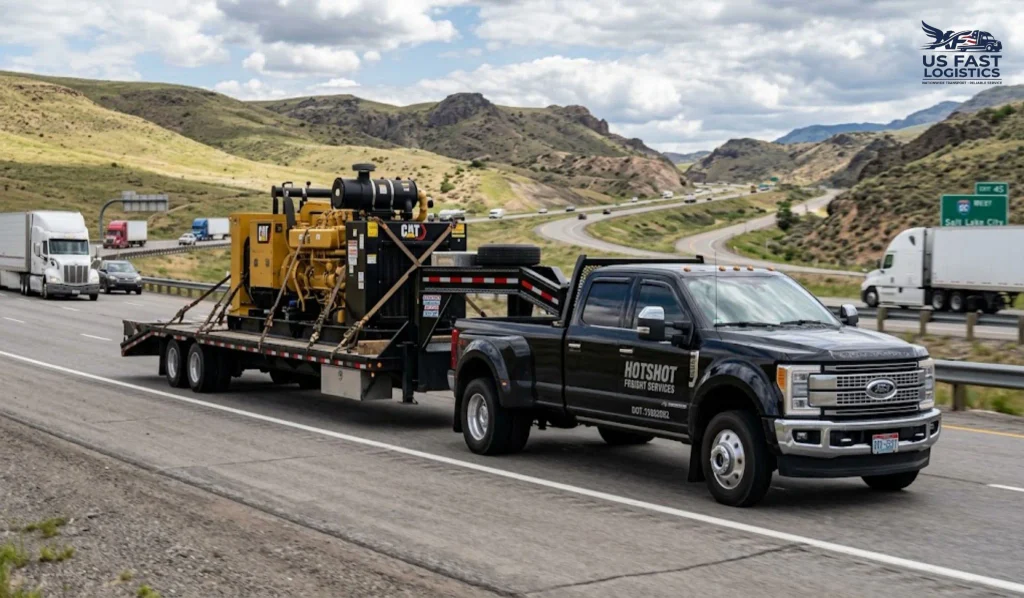
Most drivers start out hunting for hotshot truck jobs on hot shot load boards like DAT, Truckstop, 123Loadboard and Direct Freight. They work, and they’re a quick way to find freight when you’re new. The problem is that every other driver is staring at the same posts, so rates get squeezed and you spend half your day on the phone.
Here’s what working with us looks like instead:
We find the loads. As your truck dispatcher, we search, book and line up freight so you spend your time driving, not scrolling.
We negotiate the rate. We push for the best rate on every load, not the first number a broker throws out.
We handle the paperwork. Rate confirmations, broker setup packets, BOLs and invoicing are on us.
We build broker and shipper relationships. Good brokers call us first because our drivers show up on time and haul clean. That means better freight for you.
We plan your lanes around you. Want to be home on weekends? Stick close to oil country? Tell us, and we’ll plan around it.
Our dispatch service is built for one-truck operations and small fleets, where every empty mile hurts.
Hotshot Trucking Companies vs Owner-Operators: Where Do You Fit?
There are two main ways to get into this work. You can drive for one of the established hotshot trucking companies, or you can run as an owner-operator.
Hotshot trucking companies give you a seat, a truck in some cases, steady freight and less paperwork. Some hire new drivers with a clean record, while others want a year of experience, usually because of insurance. Running as an owner-operator means more risk and more responsibility, but you keep more of what you earn and you call the shots.
We work with owner-operators who want independence without doing everything alone. You keep your truck, your authority and your freedom, and we take the load search and negotiation off your plate.
Don’t have your own authority yet? You can lease onto an existing carrier and haul under its MC number while you build experience. Ask us about it.
Where the Hot Shot Trucking Industry Is Headed?
The hot shot trucking industry has grown a lot over the past decade. Businesses hold less inventory and expect parts and materials fast, and that’s exactly what hot shots deliver.
It’s also a market that swings. When oil prices drop or construction slows, rates can fall quickly, and drivers with high truck payments feel it first. Fuel, insurance and the number of new trucks entering the market all push rates around. The drivers who survived the slow stretches kept their costs low and built steady freight when times were good. That’s what a solid dispatch partner helps you do.
Regulation keeps tightening too, with ELD requirements and closer attention to weight and authority. The hot shot trucking industry is getting more professional, and that’s good for drivers who run things the right way.
How to Start Driving With Us?
Already set up? Skip to step 7. New to the hot shot truck business? Here’s the order most of our drivers followed:
Decide whether you’ll run non-CDL or get your Class A CDL first. It shapes what truck and trailer you buy.
Buy or finance the right equipment. A 1-ton or larger diesel dually with a gooseneck flatbed is the standard.
Form a business, usually an LLC, and open a separate business bank account.
Apply for your USDOT number and MC authority through the FMCSA.
Get commercial auto liability and cargo insurance.
Set up an ELD, a BOC-3 filing and any state permits or IFTA registration you need.
Reach out to us and we’ll get you on the road.
Plan for a slow first few months if your authority is new. Some brokers won’t work with a new MC number until it’s been active a while, so cash reserves matter. We know which brokers work with new authorities, which can help you get moving sooner.
The hot shot truck business rewards drivers who treat it like a business. You handle the driving and the equipment. We’ll handle the load search, the rates and the paperwork.