Truck Driver Job
Nearly everything you buy in the US rides on a truck at some point. That’s a big reason truck driver jobs are still one of the steadiest careers in the country. About 2.1 million people work as heavy-duty and tractor-trailer truck drivers, and carriers are always hiring. Drivers retire, change lanes or go out on their own, and someone has to fill the seat.
“Truck driver job” can mean very different things, though. A local truck driver job that has you home every night is nothing like running a dry van 2,500 miles a week across the country. A non-CDL box truck job is something else again. Below, we walk through each option: what the work looks like, what it pays and what it takes to get hired.
What Does a Truck Driver Do?
What Does a Truck Driver Do?
The basic job is easy to describe. You move things safely, efficiently, and on time from point A to point B. It is the job of the driver to carry goods and materials from one place to another. A truck driver spends a variable amount of time driving depending on the kind of work, however, the other everyday responsibilities of a driver besides driving also need to be mentioned:
Checking before a trip and after the drive that things are all set: brakes, tires, lights, couplings, trailer doors etc. The driver is required to do a before- and after- inspection for checking any damage to vehicle.
Planning of a trip that includes fuel stops, parking spots, weather conditions, low bridges, and weight limitation.
Salary for Truck Drivers: What the Numbers Say
The median salary for truck driver roles requiring a CDL-A is $58,640 a year, according to the BLS May 2025 wage survey. Non-CDL light truck drivers earn a median of $44,860.
| Driver type | Median annual pay |
| Heavy and tractor-trailer (CDL-A) drivers | $58,640 |
| Light truck drivers (mostly non-CDL) | $44,860 |
What raises truck driver pay?
- Experience. Most carriers raise cents-per-mile (CPM) at 1, 2 and 5 years of clean driving.
- Freight type. Flatbed, tanker, hazmat and oversize loads pay more than dry van because they need more skill, physical work or endorsements.
- Endorsements. Hazmat (H), tanker (N), doubles/triples (T) or the combined X endorsement open better-paying jobs.
- Location. The highest-paying states are Alaska (70,100),Washington(64,760) and the District of Columbia ($64,170).
- Route type. Over-the-road (OTR) drivers usually earn the most per week. Local drivers earn a little less but are home daily.
- Owner-operator status. Owner-operators gross far more, but pay for fuel, insurance, maintenance, the truck note and dispatch.
How truck drivers are paid?
We offer flexible payment options for truck drivers, including per-mile (CPM) pay, typically ranging from $0.50 to $0.65 per mile for company drivers, hourly pay for local driving jobs with overtime after 40 hours, and per-load or percentage-based pay for eligible drivers and owner-operators. Some dedicated routes may also offer a guaranteed weekly income. We prioritize fast payments and pay our drivers immediately after the load is successfully delivered, so you can get paid without unnecessary delays.
Truck Driver Jobs: CDL and Non-CDL Opportunities
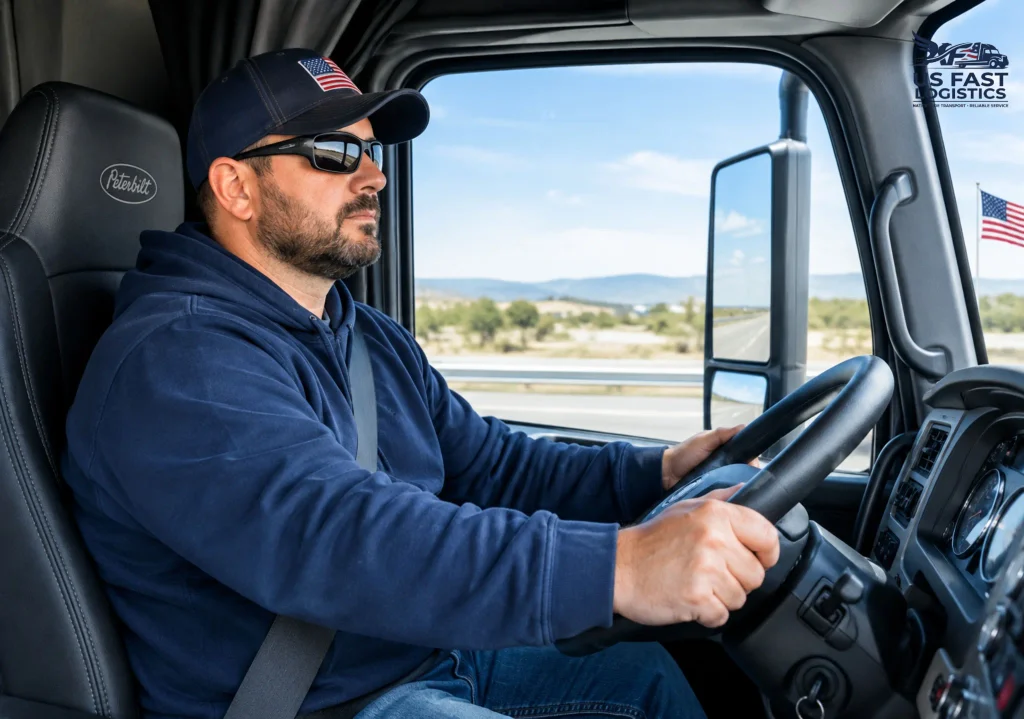
Looking for truck driver jobs? We offer opportunities for both CDL and non-CDL drivers who want to build their careers in the U.S. trucking and transportation industry. Whether you have a Commercial Driver’s License (CDL) or a regular driver’s license, available positions may match your experience, qualifications, and preferred type of work.
CDL truck driver jobs may include dry van, flatbed, reefer, semi-truck, and other commercial freight transportation positions. Drivers with the appropriate CDL class and endorsements can qualify for different types of routes and loads.
Non-CDL truck driver jobs may include box truck driving, cargo van and sprinter van deliveries, courier services, last-mile delivery, moving services, and eligible hot shot operations. These positions may be suitable for drivers who meet the vehicle’s licensing requirements without needing a CDL.
Requirements: CDL positions require the appropriate commercial license and any necessary endorsements. Non-CDL positions generally require a valid regular driver’s license and a clean driving record. Depending on the vehicle, cargo, and type of operation, additional requirements may include a DOT medical certificate, minimum age requirements, drug testing, and other applicable federal or state qualifications.
Pay and payment options: Driver compensation varies by position, experience, route, and equipment. Available payment structures may include per-mile pay, hourly wages, per-load rates, or percentage-based compensation. We pay drivers immediately after successful load delivery, helping them receive their earnings without unnecessary delays.
Why work with us? Whether you’re an experienced CDL driver or looking for non-CDL driving opportunities, we aim to connect qualified drivers with suitable freight and delivery jobs. Explore available opportunities, find a position that fits your qualifications, and take the next step in your driving career.
Dry Van Driver: The Most Common Trucking Job
A dry van driver pulls an enclosed, non-refrigerated trailer, usually 53 feet long. It hauls freight that needs no temperature control: packaged food, paper goods, electronics, clothing, retail stock and auto parts. Because so much general freight moves this way, dry van truck driver jobs are the most common first job for new CDL-A drivers.
What a dry van truck driver does each day?
- Hooks to a pre-loaded trailer (“drop and hook”) or waits at a dock for a live load.
- Checks the seal, the bill of lading and the load weight.
- Drives to the receiver within Hours-of-Service limits.
- Slides the tandems or scales the truck to keep axle weights legal.
- Drops the trailer or waits for a live unload, then picks up the next load.
Most dry van freight is no-touch. There is no tarping or chaining as in flatbed, and no reefer unit to monitor.
Dry van driver jobs: OTR, regional and dedicated
| Route type | Typical home time | Best for |
| OTR (over-the-road) | 2–3 weeks out, a few days home | New drivers who want maximum miles and fast experience |
| Regional | Weekly, usually weekends | Drivers balancing pay and home time |
| Dedicated | Weekly or more, same customer | Drivers who like routine and fixed lanes |
| Local dry van / shuttle | Daily | Experienced drivers near major freight hubs |
Dry van truck driver pay
Dry van pay depends mostly on miles. Company dry van drivers typically earn about 55,000–75,000 a year, often paid by CPM. Flatbed drivers usually earn more, but the work is much more physical, so many drivers start in dry van and move to flatbed or tanker later.
Requirements for dry van truck driver jobs
- Class A CDL (CDL-A)
- Age 21+ for interstate driving (18+ for intrastate in most states)
- Valid DOT medical card
- Clean MVR and a passed pre-employment drug screen
- Entry-Level Driver Training (ELDT) from an FMCSA-registered provider, required for new CDL-A applicants since February 2022
- Many carriers hire new graduates; others ask for 6–12 months of experience
From Dry Van Driver to Owner-Operator
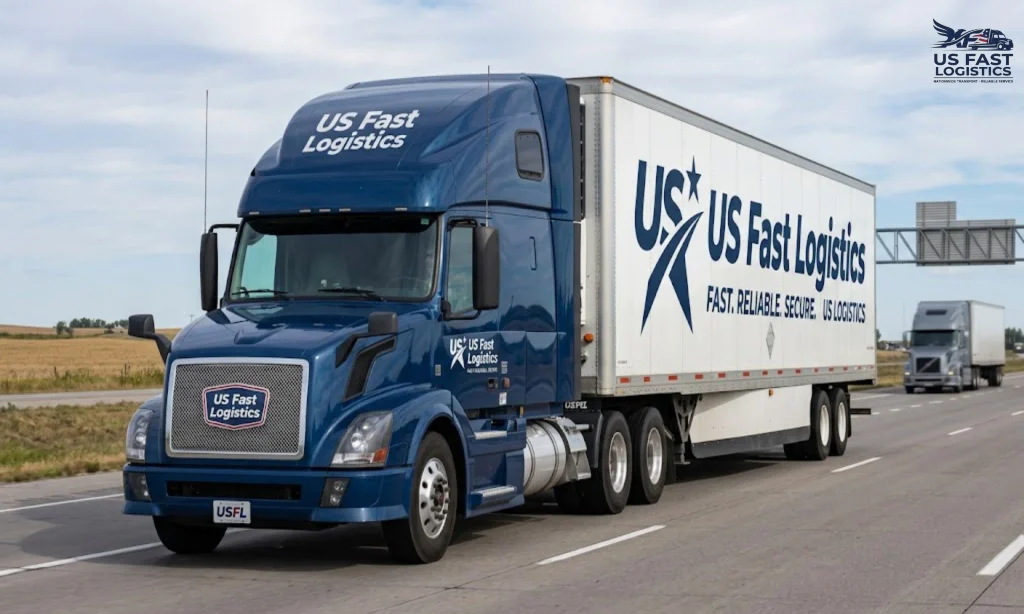
After a few years as a company dry van driver, many drivers buy their own truck and run under their own authority. Owner-operators keep the full linehaul rate, but they also cover every cost: fuel, insurance, permits, repairs and finding freight.
The hardest part is often not driving. It is spending hours on load boards, calling brokers and chasing paperwork. That is why many owner-operators work with a truck dispatch service that:
- Finds and books loads that match your lanes and equipment
- Negotiates rates with brokers
- Handles rate confirmations, carrier packets and invoicing
- Plans loads around your home time
Already running your own dry van, reefer, flatbed or box truck? Talk to our dispatch team about keeping your truck loaded while you focus on the road.
How to Get a Truck Driver Job: Step by Step
- Choose your path: non-CDL (box truck, cargo van) or CDL-A (dry van, local, regional).
- Get a DOT medical card from a certified medical examiner.
- Earn your commercial learner’s permit (CLP) by passing your state’s written knowledge tests.
- Complete ELDT training at a registered CDL school or a carrier-sponsored program.
- Pass the CDL skills test: pre-trip inspection, basic vehicle control and the road test.
- Apply to carriers that hire new drivers. OTR dry van driver jobs are usually the easiest first job to land.
- Build 12 clean months, then compare local, regional, dedicated and specialized freight.
Which truck driver job fits you?
| If you want | Look at |
| To start without a CDL | Box truck, cargo van and courier jobs |
| To be home every night | A local truck driver job (LTL, food service, drayage) |
| The easiest first CDL job | OTR or regional dry van driver jobs |
| Higher pay with more physical work | Flatbed or specialized freight |
| To run your own business | Dry van owner-operator with a dispatch partner |